(Design)
The Emotional Blueprint of Motion Design
Elias Carter
•
Movement as Language
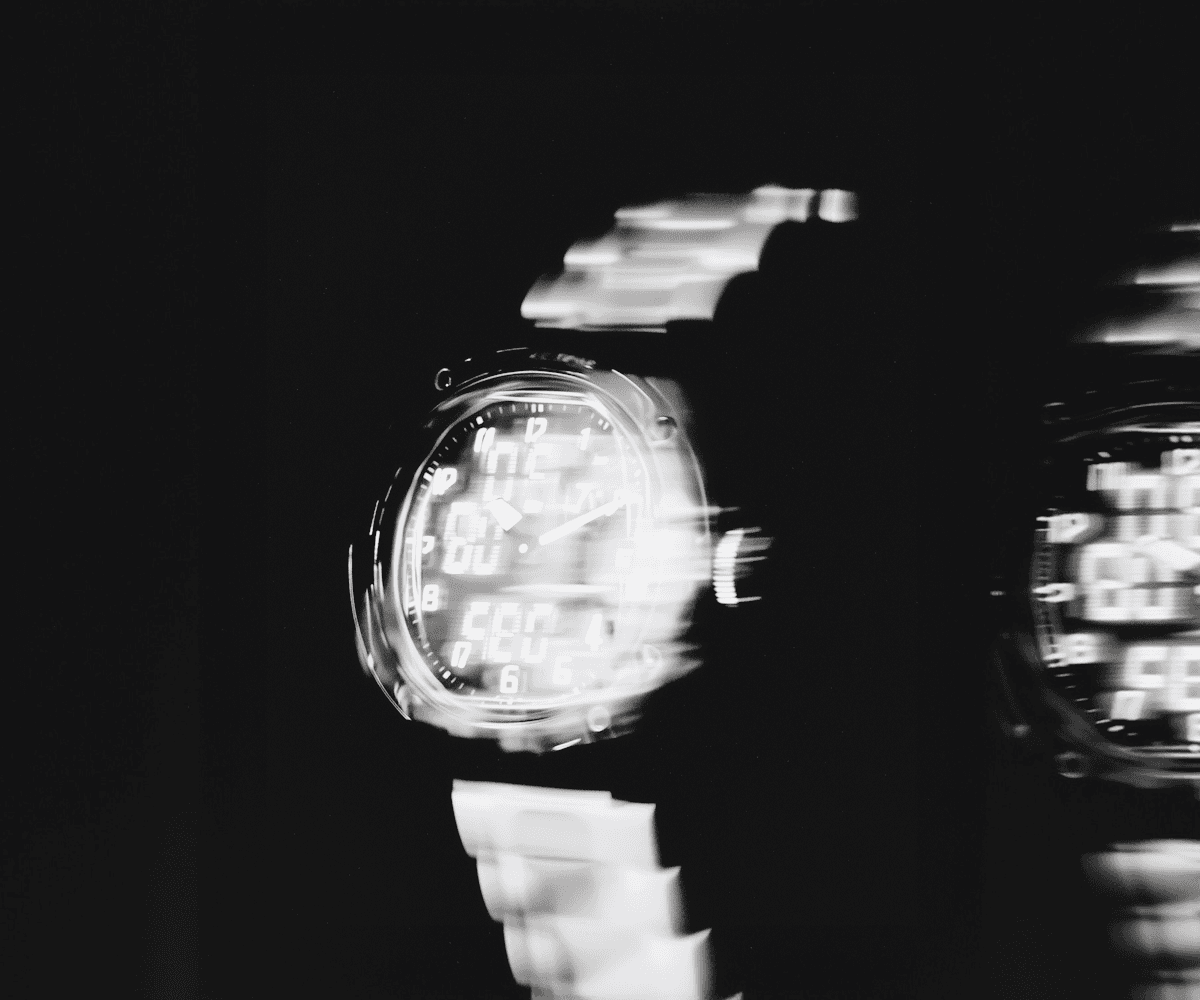
In design, motion isn’t decoration — it’s communication. It’s a visual dialect that speaks before any copy does. Every transition, delay, or easing curve carries intention. The smallest shift in timing can change how a user interprets an interface. The way elements appear, settle, glide, or fade isn’t just choreography — it’s narrative. Motion guides attention, sets expectations, and shapes emotion, often in ways users feel long before they consciously register what’s happening.
Motion also reveals how a system behaves. It clarifies hierarchy, hints at causality, and gives digital elements a sense of physical presence. When something expands smoothly or retreats naturally, the interface feels alive rather than mechanical. This subtle touch creates confidence by helping users understand what is interactive, what responds to input, and what remains passive. Movement becomes a silent explanation of how the product works.
Designing for Emotional Resonance
Motion has the power to influence mood as strongly as color or typography. A sequence can evoke calm, anticipation, excitement, or elegance depending on rhythm, pacing, and duration. Slow fades and gentle easing build trust and softness, while sharper, faster motions communicate agility, innovation, and boldness. When these movements align with a brand’s tone, they elevate the entire experience — transforming simple interactions into emotional touchpoints. Users don’t merely navigate; they feel guided, understood, and immersed.
This emotional dimension is where motion becomes storytelling. A well timed delay can build suspense, a smooth reveal can create a sense of discovery, and a playful bounce can inject character. These moments shape memory. They turn ordinary actions into delightful rituals that users come to expect and appreciate. When motion resonates emotionally, it deepens the relationship between user and product.
Building a Cohesive Motion Identity
A strong motion identity becomes as recognizable as a brand’s logo or type system. It’s the connective tissue that links every part of the experience, from subtle micro interactions to cinematic hero transitions. Consistency in timing, physics, and behavior builds familiarity and confidence. Motion stops being a layer added at the end and becomes part of the brand’s DNA — a signature style that embodies personality, clarity, and flow.
A cohesive motion system doesn’t overwhelm; it harmonizes. It ensures that all movements feel like they belong to the same voice, whether a button expands on tap or a full section animates into view. This discipline creates a rhythm users can rely on. When motion is designed with intention, it protects the interface from feeling chaotic or distracting, keeping the experience coherent from start to finish.
When done well, motion creates more than aesthetics. It creates understanding. It creates feeling. And ultimately, it creates an experience that moves with intention and leaves a lasting impression on the user.